In the past, a logo was formed like a still image. The same logo form consistently appears across different media with barely any change. However, the development of digital platforms requires designers to create more adaptive visual identities. An approach such as dynamic and adaptive logo design allows brands to maintain their identity while remaining flexible across media and contexts.
In modern design, a logo can appear on various platforms. Thus, the logo should be highly readable across media, from the website header and social media profiles to tiny application icons. This condition makes the approach of static traditional logos often unable to meet the visual needs of modern brands.
In this article, we will talk about how the concept of dynamic and adaptive logo design works. This includes an explanation of how flexibility is an important factor in the development of modern logo designs.
Table of Contents
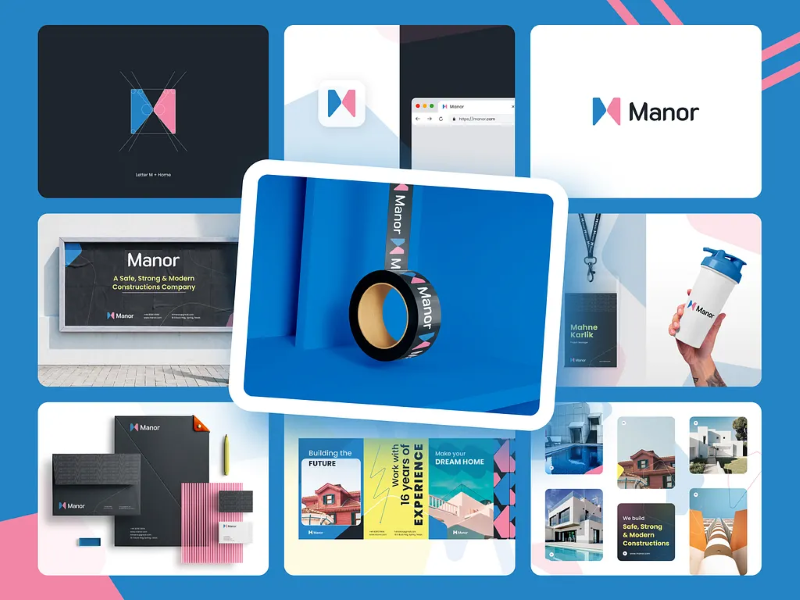
Adaptive logo design is a design approach that allows a brand to have multiple versions of its logo, each with a consistent visual and some adjustments for different uses. This approach arranges the logo variations systematically to maintain its readability in various sizes and contexts.
In its practice, a visual identity usually includes a main logo that depicts all the aspects, such as the symbol, typography, and overall composition. Logo modifications may also include a simplified logo that is merely a symbol or a more succinct version of the typography. When visual space becomes more limited, it is time to use a simpler version of the logo.
Adaptive logo design aims to maintain the logo’s clarity and ease of recognition on various digital platforms. For instance, a logo that typically graces a website header may not be suitable for use on app icons or social media avatars. With an adaptive system, brands can adjust the appearance of their logos without changing their core visual identity.
While adaptive logo design works with consistent visuals, dynamic logo design allows a logo’s visual elements to change in a certain situation without losing the brand’s core identity. The change in this approach can happen in a logo’s color, composition, shape, or even its animation. However, it still maintains its visual character that makes the logo easily recognizable.
A dynamic logo allows for more visual variants than an adaptive logo design, which focuses on reducing the shape for varied sizes. However, core elements such as basic shapes, main symbols, or typography are maintained to keep the brand identity consistent.
Brands that seek a vibrant and expressive visual identity often use this approach. In some cases, a dynamic logo allows brands to adjust the look with specific context, like campaign promotions, special events, and interactive experiences in digital platforms.
With the development of digital media and motion design, dynamic logo design has become one of the approaches that allows brands to maintain a consistent visual identity while making it look more dynamic and relevant.
Although they are often discussed together, dynamic logo design and adaptive logo design take distinct approaches to achieving visual flexibility. Both have the same goal to make a logo easier to use across platforms but have different visual changes.
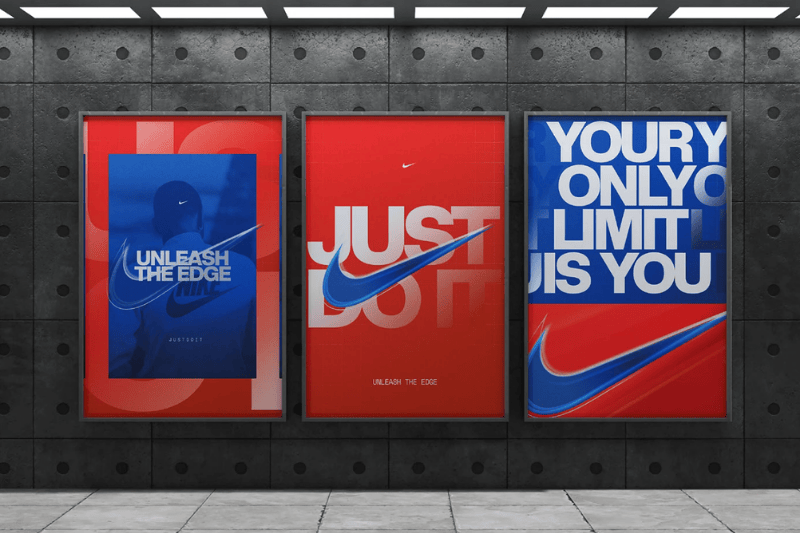
Adaptive logo design has a structured variation. Therefore, a brand offers multiple versions of its logo for use in accordance with space, size, and media requirements. Let’s take an example from Nike, a brand that has a complete logo, with the written “Nike” and the swoosh symbol. However, in many products, such as digital apps or small visual spaces, Nike often uses the swoosh symbol without text.
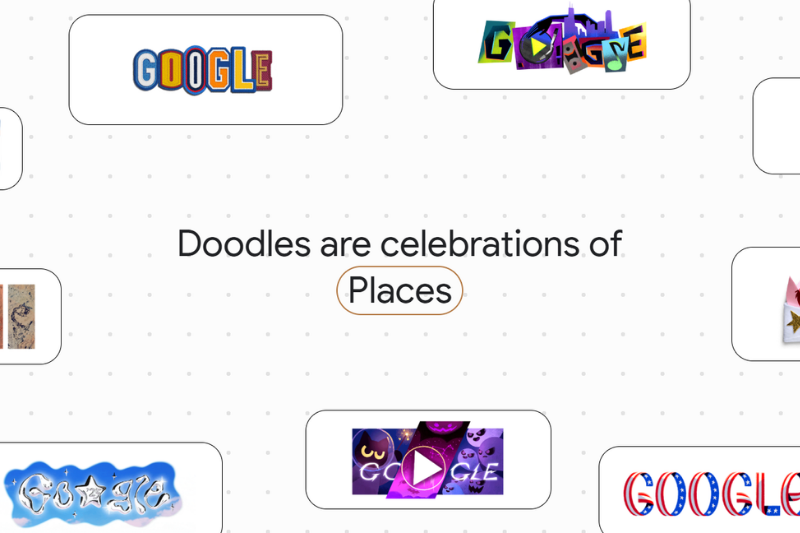
Meanwhile, a dynamic logo design allows for a more flexible visual variation. Logos can change in color, illustrations, or other graphic elements without losing their core identity. Let’s see Google Doodles as an example. Google often changes the logo’s look to mark certain events, such as celebrations or important moments, while maintaining the basic structure of the letters. Despite the ever-changing design, the audience can still understand that the logo is Google’s.
Here is a summary of the differences you can observe:
| Adaptive Logo Design | Dynamic Logo Design |
| Have multiple predefined logo versions. | The logo display can change more freely. |
| Focus on readability across sizes and media. | Focus on visual variations and expressions. |
| Usually in the form of a simplification of the logo. | May involve color changes, illustrations, or animations. |
The digital environment enables logos to operate under more varied conditions than before. While previously logos only appeared on printed media like packaging, posters, or billboards, they now need to appear across various digital platforms in varying sizes and contexts. From websites and mobile apps to social media profiles, each platform has varying visual requirements.
These differences make the logo’s readability a crucial factor. A logo should remain easily recognizable whether displayed in a large size, like on the main website page, or in a small size, like the icon in a mobile application. If the logo is too complex or inflexible, a brand identity can lose its clarity.
Furthermore, brands are increasingly engaging with audiences through dynamic digital content, such as social media, visual campaigns, and interactive experiences on websites. In such a situation, visual identities need to be able to adapt without losing their core character.
That’s why many modern brands are starting to design logos as part of a more flexible identity system. This approach allows logos to maintain visual consistency while adapting to various usage contexts in the digital environment.
Using a flexible logo system gives several advantages for brands, especially in the context of using them across digital platforms. Here are some of the main benefits:
When used in different sizes or media, a flexible logo system aids brands in maintaining a consistent visual identity.
A logo that has a simpler version will still be legible when used at a small size, such as an app icon or a social media avatar.
With logo variations already designed from the start, the design team doesn’t need to make new adjustments every time the logo is used on a different medium.
Brands can adapt the appearance of their logos in a variety of contexts, such as digital campaigns, social media content, or more dynamic visual experiences.
A flexible logo system helps brands adapt to different devices and screen sizes without losing their core visual character.
The development of digital media means logos must work in a much more diverse environment than ever. Logos are no longer limited to one medium or size but must appear consistent across multiple platforms, from websites to mobile apps.
Approaches like dynamic and adaptive logo design help brands address these needs more effectively. Through a flexible logo system, visual identities can remain consistent while easily adapting to various usage contexts.
For modern brands, flexibility is no longer just a design choice but a crucial part of their visual identity strategy. Logos as a system will be better prepared for future changes in platforms, technology, and how brands communicate with audiences.
Read the article “Logo Design Trends in 2026: Powerful Logo Styles that Will Dominate” to explore other logo design trends.