By 2026, trends in logo design will shift away from a narrow focus on color, visual effects, or specific decorative styles. The primary focus will be on logo type, function, and how logo design adapts to increasingly complex brand identification systems.
Several factors contribute to this shift, including the dominance of digital platforms, the demand for cross-media content, and a brand’s visual versatility. A logo must be adaptable to various media, including mobile apps and websites, social media, motion graphics, and UI interactions. As a result, selecting a logo type becomes a strategic decision rather than merely an aesthetic preference.
In terms of logo design trends in 2026, the question isn’t only what kinds of logos are popular, but which sorts are the most relevant and sustainable for modern brands. This article explores the types of logos predicted to dominate in 2026 and the reasons for their relevance.
Table of Contents
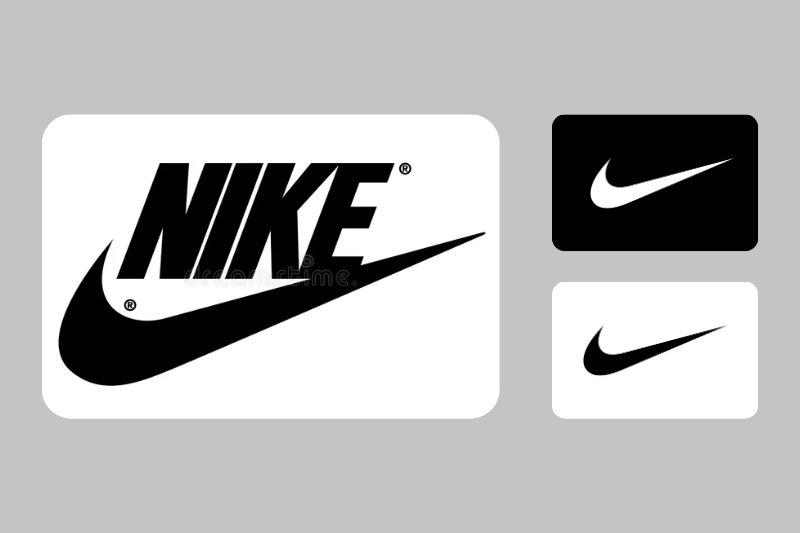
One of the logo types that stands out in the logo design trends in 2026 is the adaptive and dynamic logo system. Instead of seeing it as an identity, this approach views a logo as a component of a visual system that can change depending on its application.
An adaptive logo allows brands to have several logo versions, from the main version and its simplified one to a symbol or icon, without losing their core identity. This is crucial because logos must appear consistently across various media, such as websites, apps, social media, and even small-scale digital interfaces.
Meanwhile, dynamic logos add a more flexible element of change, whether through composition, color, or graphic motion. By 2026, the expectation of this system-based logo type will become increasingly dominant, as it addresses the needs of modern, dynamic, digital-first, and multi-platform brands.
In the logo design trends in 2026, the typography-first approach increasingly stands out as the primary choice for many brands. Instead of depending on symbols or complex icons, this type of logo places typography as a primary element to shape the brand’s identity.
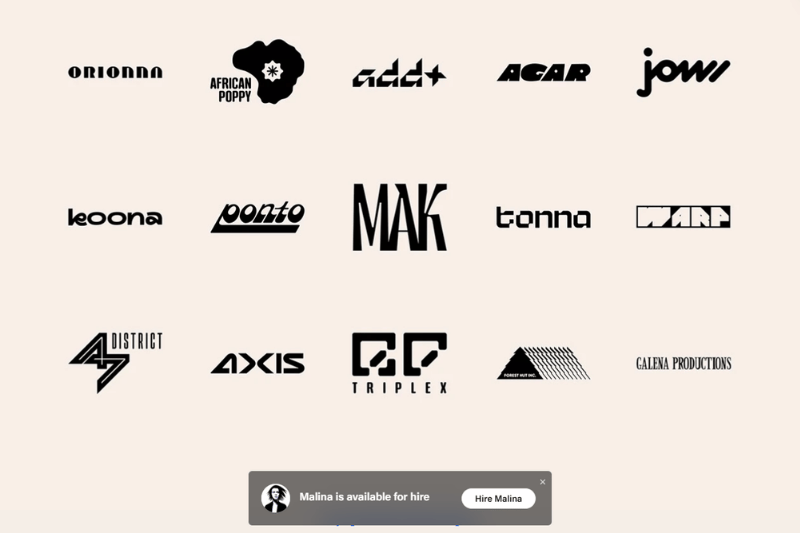
Wordmark and letter-based logos are more straightforward and memorable. Letterforms, proportions, visual rhythm, and small details like ligatures, angle cuts, or terminal modification all contribute to brand personality. With more brands competing in the digital world, custom typography becomes an effective way to stand out without overdesigning.
Moreover, typography-based logos can be in the form of monograms, be adapted into derivative graphic elements, or be the visual pattern of a brand. By 2026, it is predicted to grow because it can present a strong, modern identity and adapts easily across various platforms.
Minimalism has not truly disappeared from the design logo world. In terms of logo design trends in 2026, the minimalist design style evolves into what is called neo-minimalism. This evolution is also known as “emotional design” or “less but meaningful,” in which this logo looks simple and can provide an emotional warmth impression.
Neo-minimalism emphasizes the balance between extreme simplicity and emotional warmth. Its shape is clean and structured, yet enriched by smooth details, such as a subtle curve, a more expressive proportion, or a bolder use of spaces.
Moreover, this type of logo is still relevant because it works well across various media, specifically digital media. Amidst the saturation of overly complex logos, neo-minimalism offers a modern, professional, and timeless impression.
In the logo design trends in 2026, the modern vintage and nostalgic approach still has a strong appeal. However, the trend is not simply copying old styles but rather reinterpreting classic elements in a more modern visual context.
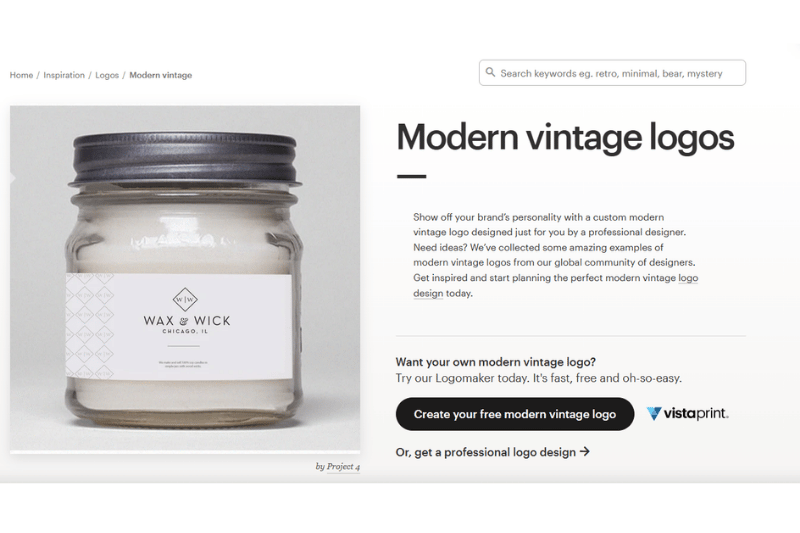
This type of logo usually combines retro-style typography or classic emblems, simplified to remain relevant in the modern digital era. Nostalgic imagery serves as a strategy to build emotional connection and trust, especially for brands seeking authenticity of a story behind their brand.
By 2026, the modern vintage logo is predicted to embrace Retrofuturism and Pixel Sharp, combining the 70s nostalgia style with Y2K with a neat, geometric, and neon-nuanced digital execution. This trend emphasizes candy-like color, mirror/metallic texture, and adaptability across media.
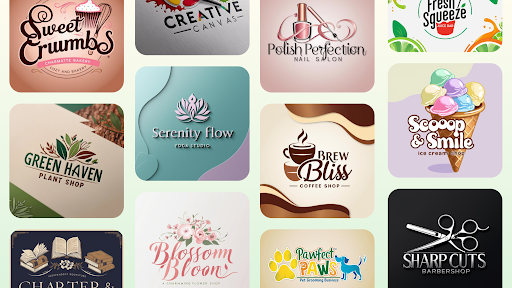
AI is now a key part of the design process, especially for idea exploration and visual variation. Many designers now use AI to generate alternative shapes, compositions, or even initial typography. As a result, the brainstorming process has become much faster. However, the result still requires human curation and decision-making to prevent the brand identity from being too generic.
The intriguing part of this trend is not about the “AI style” but rather the design process with AI. A smart and visionary brand will utilize AI as a tool, not a substitute for creativity. In the logo design trends in 2026, the combination of technological exploration and strategic human touch will become the new standard in logo development.
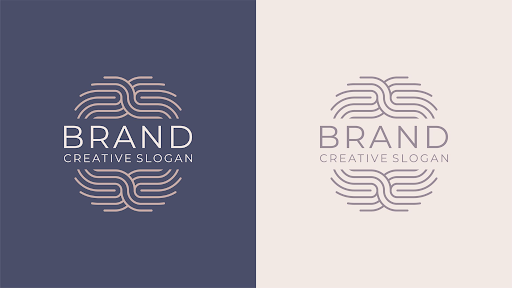
Not all brands want to look literal. In the logo design trends in 2026, many brands choose to use symbols, geometric shapes, or even abstract lines to represent the brand image. This type of logo processes shapes, geometry, and composition conceptually to represent the brand’s values or vision. The visuals formed aren’t literal or non-representational, showing the brand’s essence.
The advantage of abstract logos lies in their flexibility; a simple symbol can grow to be a pattern, animation, or broad visual system element. The visuals are strong and minimalist, yet they possess a character that will outperform other overly detailed or illustrative logos.
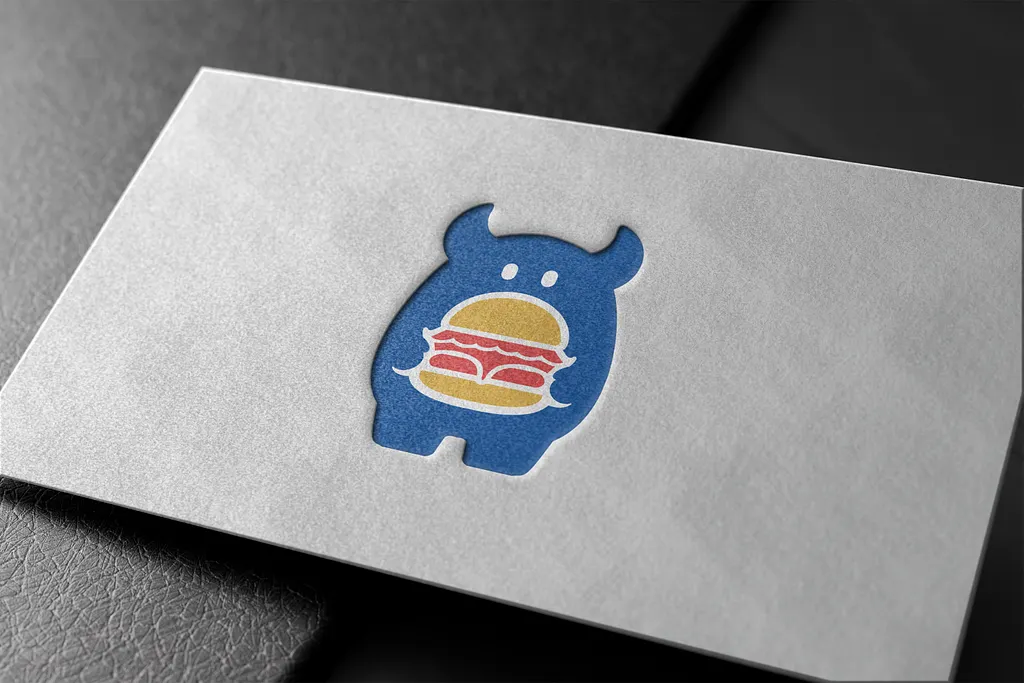
The popularity of mascot logos comes back in the logo design trends in 2026, with a more modern and controlled approach. If previously mascots were identical with detailed illustrations and a crowded cartoon style, now their appearance is much simpler and more conceptual.
This approach enhances the character’s minimalism by incorporating clear and easily recognizable shapes. Reduction of excessive detail ensures flexibility across various digital media. This approach makes the brand feel more humane and approachable without appearing childish. Therefore, F&B, creative startups, and community-based product brands often use this type of logo.
Trends are ever-changing, but the basic branding principle remains the same: logos must be relevant, clear, and consistent. In terms of logo design trends in 2026, the crucial aspect is not following all trends available but rather understanding which logo type best suits the character and goals of the brand.
Like an adaptive system that offers flexibility, typography-first provides clarity of identity, neo-minimalism maintains simplicity, and abstract symbols create a modern feel. In the end, trends are only references—a strong logo is one that can endure, adapt, and maintain relevancy even when the next trend comes.
Visit ditatype.com and find the inspiration for other attractive designs and fonts!